- Chinese
- French
- German
- Portuguese
- Spanish
- Russian
- Japanese
- Korean
- Arabic
- Irish
- Greek
- Turkish
- Italian
- Danish
- Romanian
- Indonesian
- Czech
- Afrikaans
- Swedish
- Polish
- Basque
- Catalan
- Esperanto
- Hindi
- Lao
- Albanian
- Amharic
- Armenian
- Azerbaijani
- Belarusian
- Bengali
- Bosnian
- Bulgarian
- Cebuano
- Chichewa
- Corsican
- Croatian
- Dutch
- Estonian
- Filipino
- Finnish
- Frisian
- Galician
- Georgian
- Gujarati
- Haitian
- Hausa
- Hawaiian
- Hebrew
- Hmong
- Hungarian
- Icelandic
- Igbo
- Javanese
- Kannada
- Kazakh
- Khmer
- Kurdish
- Kyrgyz
- Latin
- Latvian
- Lithuanian
- Luxembou..
- Macedonian
- Malagasy
- Malay
- Malayalam
- Maltese
- Maori
- Marathi
- Mongolian
- Burmese
- Nepali
- Norwegian
- Pashto
- Persian
- Punjabi
- Serbian
- Sesotho
- Sinhala
- Slovak
- Slovenian
- Somali
- Samoan
- Scots Gaelic
- Shona
- Sindhi
- Sundanese
- Swahili
- Tajik
- Tamil
- Telugu
- Thai
- Ukrainian
- Urdu
- Uzbek
- Vietnamese
- Welsh
- Xhosa
- Yiddish
- Yoruba
- Zulu
- Kinyarwanda
- Tatar
- Oriya
- Turkmen
- Uyghur







Is graphite ideal for high-temp furnace tech?
2025-10-11
When it comes to high-temperature furnace technology, the choice of materials can make or break the operation. Graphite is often touted for its high-temperature resistance, but is it truly the best choice? I’ve been in the field for over a decade, and I’ve seen successes, failures, and quite a bit in between. Let’s explore graphite’s role and effectiveness in high-temp environments.
Understanding Graphite Properties
Graphite’s high melting point and excellent thermal conductivity often place it at the top of the list for furnace components. It resists thermal shock and maintains strength at elevated temperatures. But there’s a hidden layer to consider. I’ve witnessed how oxidation can be a concern, especially in open-air environments. The oxidation tends to degrade the material unless it’s protected or carefully managed.
Back in my early career, at Hebei Ruitong Carbon Co., Ltd., we often experimented with various coatings to combat oxidation. This led to a combination approach where coatings provided the necessary barrier without sacrificing graphite’s thermal benefits. It showed promising results, but also required meticulous application and maintenance.
Further complicating the decision are considerations like cost, availability, and the specifics of the furnace’s operating environment. Graphite excels when purity levels are high, which isn’t always easy—or cheap—to achieve consistently, especially in large operations.
Real-World Applications of Graphite
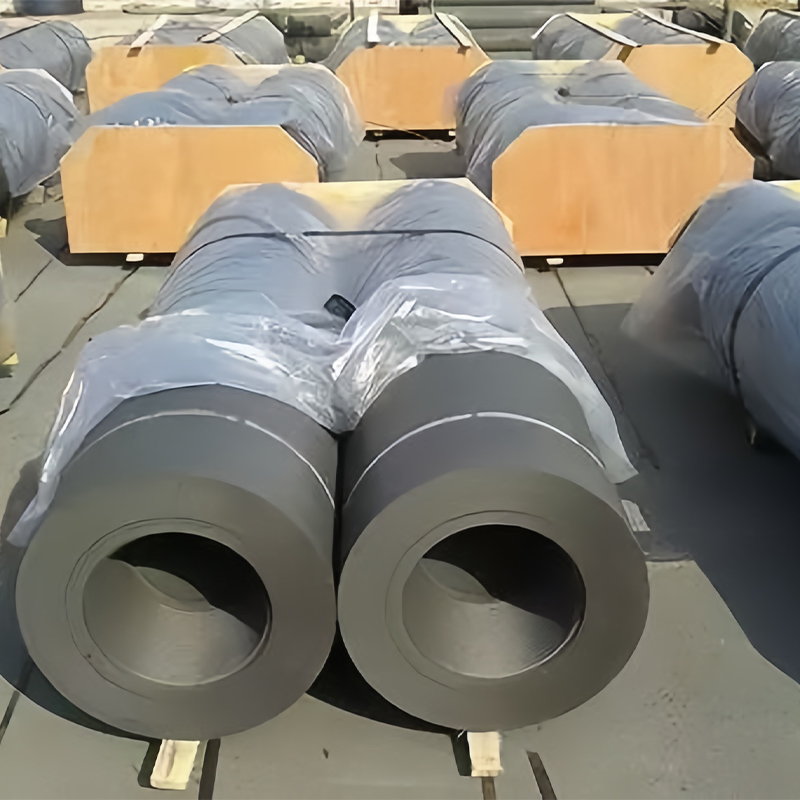
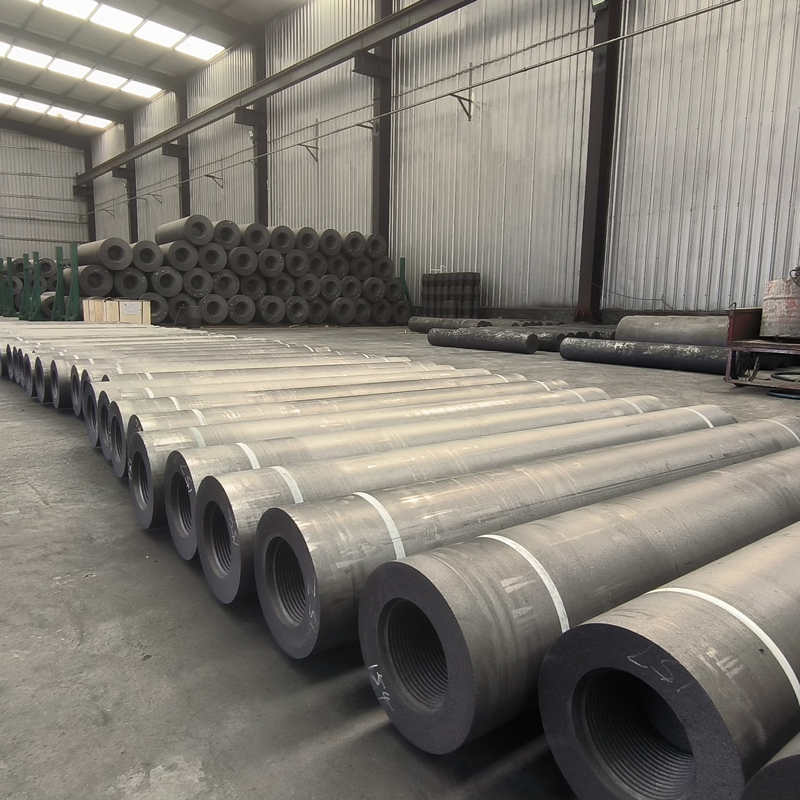
In industries where high-temperature consistence is key, I often see graphite used in electrodes, crucibles, and continuous casting processes. At Hebei Ruitong Carbon Co., Ltd., we focus on these applications because graphite aligns well with the demands of the market. Still, it’s essential to stress that each application brings unique requirements.
Let me illustrate with a case we handled a few years back. A client needed a custom graphite solution for their continuous casting operations. Initially, they faced frequent failures due to thermal cycling. Through trial and error, and after some intense brainstorming sessions, we worked out a tailored solution that improved durability and reduced downtime significantly.
However, it was a reminder that no material is a one-size-fits-all. Successful implementation often requires a unique blending of several knowledge areas, practical testing, and a bit of creativity.
Challenges and Problem-Solving with Graphite
One persistent challenge with using graphite in high-temperature settings is the handling and shaping of the material. During my tenure, I noticed how intricately detailed projects often ran into logistical snags related to machining accuracy. Graphite is brittle; it demands precision and skill during fabrication.
I’ve also seen projects suffer due to inadequate understanding of graphite’s electrical conductivity. While its conductivity is an asset, it requires careful management in electrical applications to prevent short-circuiting.
The solution, in many cases, required collaboration—drawing insights from engineers, material scientists, and clients to create new techniques for handling and utilizing graphite effectively. Sharing knowledge was key, often leading to innovative approaches and better outcomes.

Comparing Graphite with Alternative Materials
Within the industry circles, a frequent debate revolves around whether graphite or alternatives like ceramics and refractory metals stand as better choices. This often boils down to specifics: operating temperature limits, corrosion resistance, and wear characteristics.
For instance, ceramics can offer superior oxidation resistance but often at a higher cost and with challenges in fracture toughness. Metals, on the other hand, might boast strength but fall short on thermal conductivity compared to graphite. It’s a balance, and I’ve found that a thorough assessment of these factors combined with field testing usually yields the best material choice.
Hebei Ruitong Carbon Co., Ltd., leveraging its vast facility and expertise, often runs comparative tests to stay ahead of material performance needs. It’s a continuous cycle of learning and application.
Practical Conclusions and Industry Insights
So, is graphite ideal for high-temp furnace technology? The answer isn’t straightforward—yes and no. Graphite’s tensile strength, conductivity, and high-temperature resistance make it suitable for specific scenarios but demand careful consideration regarding environment and material management.
Reflecting on my experience, I’d advocate for a tailored approach, considering both traditional and innovative materials. Collaboration and ongoing research are king, ensuring that each furnace setup gets the precise materials it needs. At Hebei Ruitong Carbon Co., Ltd., this perspective fuels our ongoing development and solutions tailored to client needs.
By embracing not just the advantages but also understanding the challenges and nuances, professionals in the field can sustainably harness graphite’s potential in high-temp furnace tech.