- Chinese
- French
- German
- Portuguese
- Spanish
- Russian
- Japanese
- Korean
- Arabic
- Irish
- Greek
- Turkish
- Italian
- Danish
- Romanian
- Indonesian
- Czech
- Afrikaans
- Swedish
- Polish
- Basque
- Catalan
- Esperanto
- Hindi
- Lao
- Albanian
- Amharic
- Armenian
- Azerbaijani
- Belarusian
- Bengali
- Bosnian
- Bulgarian
- Cebuano
- Chichewa
- Corsican
- Croatian
- Dutch
- Estonian
- Filipino
- Finnish
- Frisian
- Galician
- Georgian
- Gujarati
- Haitian
- Hausa
- Hawaiian
- Hebrew
- Hmong
- Hungarian
- Icelandic
- Igbo
- Javanese
- Kannada
- Kazakh
- Khmer
- Kurdish
- Kyrgyz
- Latin
- Latvian
- Lithuanian
- Luxembou..
- Macedonian
- Malagasy
- Malay
- Malayalam
- Maltese
- Maori
- Marathi
- Mongolian
- Burmese
- Nepali
- Norwegian
- Pashto
- Persian
- Punjabi
- Serbian
- Sesotho
- Sinhala
- Slovak
- Slovenian
- Somali
- Samoan
- Scots Gaelic
- Shona
- Sindhi
- Sundanese
- Swahili
- Tajik
- Tamil
- Telugu
- Thai
- Ukrainian
- Urdu
- Uzbek
- Vietnamese
- Welsh
- Xhosa
- Yiddish
- Yoruba
- Zulu
- Kinyarwanda
- Tatar
- Oriya
- Turkmen
- Uyghur







How do long service life electrodes boost sustainability?
2025-11-22
In the quest for sustainability, long service life electrodes are not just a technical marvel; they are pivotal in reducing waste and enhancing efficiency. While many see them simply as a component of energy systems, their impact is far more profound, providing real-world benefits across industries.
The Game-Changing Role of Longevity
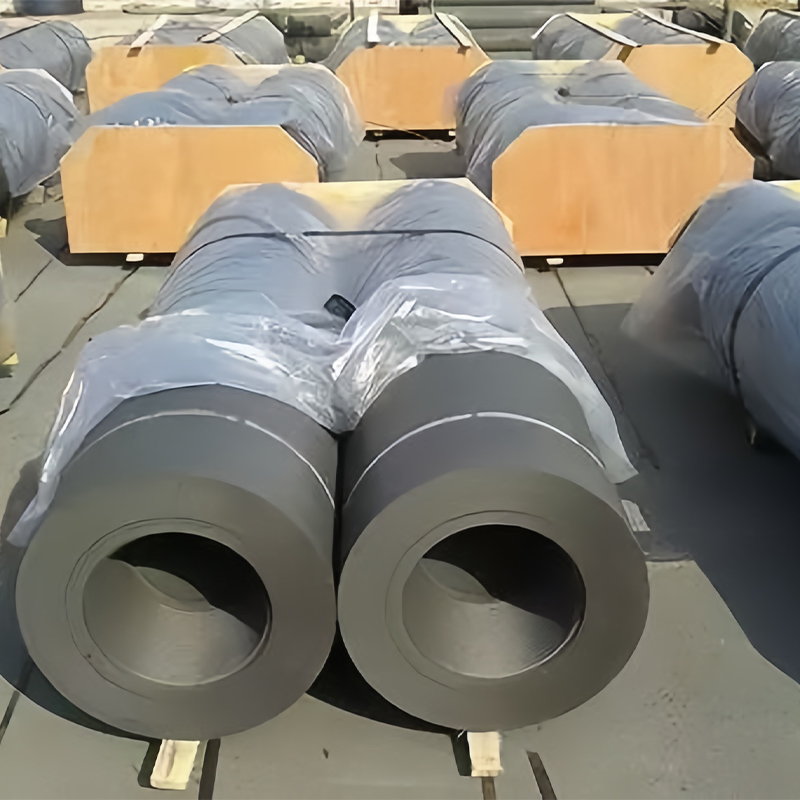
Consider this: every time an electrode lasts longer, there’s a direct reduction in resource consumption. In industries heavily reliant on carbon materials, like aluminum production or metal manufacturing, extending electrode life can significantly cut down on the frequency of replacement, thus conserving raw materials and energy.
At Hebei Ruitong Carbon Co., Ltd., founded in July 1985, we’ve witnessed how extending electrode service life translates to both economic and environmental gains. With our 415,000 square meter facility, focusing on carbon production, the emphasis is always on maximizing both quality and durability.
What often gets overlooked is the ripple effect these longer-lasting electrodes have on operational side costs. With less downtime devoted to maintenance and replacement, there’s a resulting boost in efficiency — a win-win situation for both production output and the planet.
Material Innovations and Their Impact
The development of longer-lasting electrodes is not just a matter of tweaking existing designs; it often demands rethinking the materials themselves. For example, innovations in graphene coatings or advanced carbon matrices can offer not just durability but also improve conductivity and thermal performance.
Working at Hebei Ruitong, ensuring that our products meet these advanced specifications involves extensive testing and quality control. Our dedication means exploring cutting-edge materials which, although challenging, provides real avenues for boosting sustainability.
This process is complex and not without its hurdles. Sometimes, theoretically sound material combinations don’t perform as expected under industrial conditions, teaching us that innovation often involves as much learning from failures as from successes.
Efficiency and Resource Management
When we discuss sustainability, resource management is inseparable. Long-lasting electrodes contribute significantly to saving vital raw materials. This is a reality known well by anyone in the carbon sector.
At facilities like ours, saving one watt-hour by reducing electrode replacement translates into millions over years of production. Moreover, it’s about aligning with global sustainability goals, reducing carbon footprints, and integrating these practices into our corporate philosophy.
Real-world application of these theories shows direct benefits to both production schedules and resource allocations, something we constantly strive for at Hebei Ruitong Carbon Co., Ltd.

The Human Element in Sustainability
Technology doesn’t evolve in isolation. The human element is critical in adapting these solutions and pushing boundaries. Technicians and engineers often suggest improvements based on workshops and field feedback that get integrated into the design phase.
In our company’s experience, involving teams from the ground up results in practical innovations that genuinely boost sustainability. It’s a continuous cycle — learning, adapting, and implementing changes based on firsthand experiences.
Encouraging a culture of ongoing learning and adaptability amongst our team ensures that we’re not just reacting to changes in the industry but actively shaping them.
The Road Ahead
Looking to the future, the push for more sustainable practices will only grow stronger. As seen in the initiatives at our facility, the evolution of electrode design is a crucial stepping stone toward broader industry sustainability goals.
Ultimately, by advancing long service life electrodes, companies like Hebei Ruitong are not just adapting to industry needs but are proactively leading in the sustainability frontier.
The objective is clear: bring true, impactful change that resonates beyond the bottom line, reaching into environmental stewardship and sustainable growth. As we push these boundaries, the dialogue between the doable and the desirable continues, step by step, electrode by electrode.