- Chinese
- French
- German
- Portuguese
- Spanish
- Russian
- Japanese
- Korean
- Arabic
- Irish
- Greek
- Turkish
- Italian
- Danish
- Romanian
- Indonesian
- Czech
- Afrikaans
- Swedish
- Polish
- Basque
- Catalan
- Esperanto
- Hindi
- Lao
- Albanian
- Amharic
- Armenian
- Azerbaijani
- Belarusian
- Bengali
- Bosnian
- Bulgarian
- Cebuano
- Chichewa
- Corsican
- Croatian
- Dutch
- Estonian
- Filipino
- Finnish
- Frisian
- Galician
- Georgian
- Gujarati
- Haitian
- Hausa
- Hawaiian
- Hebrew
- Hmong
- Hungarian
- Icelandic
- Igbo
- Javanese
- Kannada
- Kazakh
- Khmer
- Kurdish
- Kyrgyz
- Latin
- Latvian
- Lithuanian
- Luxembou..
- Macedonian
- Malagasy
- Malay
- Malayalam
- Maltese
- Maori
- Marathi
- Mongolian
- Burmese
- Nepali
- Norwegian
- Pashto
- Persian
- Punjabi
- Serbian
- Sesotho
- Sinhala
- Slovak
- Slovenian
- Somali
- Samoan
- Scots Gaelic
- Shona
- Sindhi
- Sundanese
- Swahili
- Tajik
- Tamil
- Telugu
- Thai
- Ukrainian
- Urdu
- Uzbek
- Vietnamese
- Welsh
- Xhosa
- Yiddish
- Yoruba
- Zulu
- Kinyarwanda
- Tatar
- Oriya
- Turkmen
- Uyghur







How does steel-grade graphite electrode innovate tech?
2025-09-20
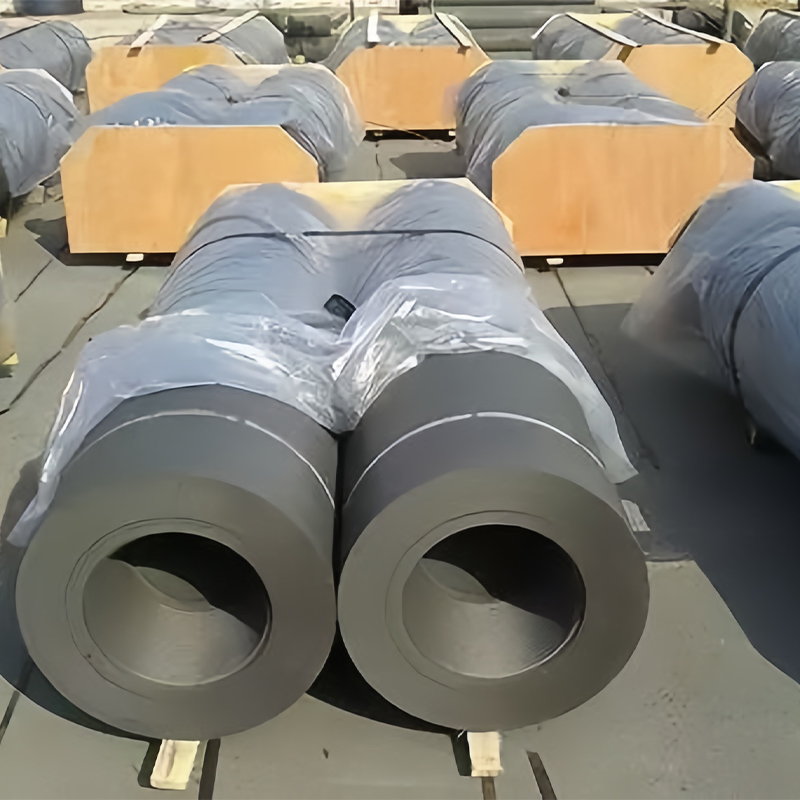
Steel-grade graphite electrodes have long been the backbone of electric arc furnaces. However, when people think about graphite electrodes, they may not immediately consider the intricacies of innovation involved. The misconception often lies in underestimating the complexities and technological advancements embedded in these items, assuming they are mere conduits in steel production. Let’s delve into how these electrodes are pushing technological boundaries, featuring insights from experienced industry professionals.

Deepening Understanding of Graphite Electrodes
It’s easy to view graphite electrodes as trivial, yet their role in steel-making is crucial. They are the connecting link in electric arc furnaces, allowing electricity to travel through them and generating the heat needed for steel production. These initial insights lead us to recognize the core challenges, including wear resistance and energy efficiency. Experienced engineers, including those at companies like Hebei Ruitong Carbon Co., Ltd., work on these challenges, ensuring that the electrodes not only perform well but also contribute to the overall efficiency of the process.
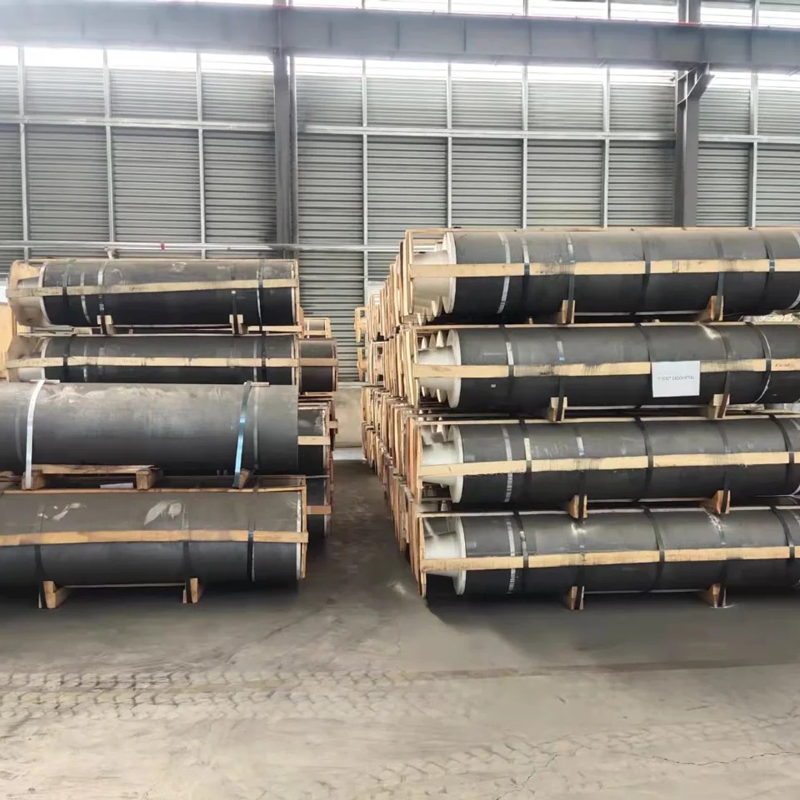
Many might not realize the constant experimentation behind every advancement. The balance between graphite quality and cost-effectiveness is persistently tested. The team, as seen at Ruitong’s vast 415,000 square meter facility, emphasizes the importance of testing different raw materials and adjusting manufacturing processes accordingly.
Graphite electrode innovation begins with raw material selection. Here, raw materials are rigorously assessed for purity levels and performance metrics. What might work for one batch might not work for another, leading to a need for continuous evaluation, a strategy Hebei Ruitong Carbon Co., Ltd. embraces.
Addressing Production Challenges
One significant hurdle the industry faces is increasing thermal efficiency while reducing costs. It’s a delicate balancing act, often involving trial and error. Professionals in the industry, especially in well-established companies, observe that small tweaks in electrode design or material composition can lead to substantial improvements.
For instance, specific alterations to the binding agents in the electrodes have shown changes in overall conductivity and heat tolerance. These changes are often subtle yet significant, leading often to breakthroughs rather than incremental innovations. It’s the sort of insight only possible from a company with a rich history such as Hebei Ruitong Carbon Co., Ltd., founded back in 1985, which has been navigating these complexities for decades.
Scale-up from testing to production also throws its own set of curveballs. What works in the lab must be translatable to large-scale production. This transition is where many innovations stall, requiring not just technical know-how but robust production infrastructure, which companies with larger facilities usually manage more efficiently.
Improving Energy-Efficiency
Another facet of innovation is energy efficiency. Modern-day steel production demands lower energy consumption and higher output. Here, graphite electrodes have a direct impact. Their conductive properties can improve furnace performance and cut down on total energy expenditure.
Solving these energy challenges involves more than just the electrodes themselves. It’s about harmonizing the entire system. Experienced industry professionals constantly tweak and optimize for achieving maximum efficiency. It involves a deep understanding of both material science and engineering principles.
Hebei Ruitong Carbon’s approach to problem-solving highlights a cross-disciplinary strategy. They employ individuals with varied expertise to tackle the multi-faceted nature of electrode technology, ensuring no stone is left unturned.
Technological Advancements
This sector also continually adopts technological advancements from other fields. The integration of data analytics to monitor electrode wear and predictive maintenance has become a forefront innovation avenue. Real-time data can alert facility managers to potential issues before they arise, minimizing downtime and enhancing productivity. It’s about setting up a proactive system rather than a reactive one.
At companies well-versed in graphite technology, such as Hebei Ruitong Carbon Co., Ltd. with its experienced workforce of 278 individuals, the use of technology is becoming a central tenet in their operational strategy. It encourages innovation at every level, empowering employees to explore novel approaches to conventional practices.
Moreover, external collaborations with tech companies can lead to unexpected breakthroughs, further solidifying the place of companies like Ruitong as innovators in this space.
Future Outlook and Conclusion
The future of steel-grade graphite electrode technology is undeniably bright, given the current trajectory. As companies continue to push the envelope, the potential for new applications and improved processes is significant. With an ever-increasing focus on sustainability, the evolution of these electrodes continues to be a cornerstone in reducing environmental impact.
In conclusion, the advancements in steel-grade graphite electrodes are multi-dimensional, involving not just materials and manufacturing advances but also broader technological integration. This ongoing innovation reflects a dynamic industry, continually adapting to meet the needs of modern steel production and environmental challenges, as embodied by the work of Hebei Ruitong Carbon Co., Ltd. For more insights, their website at Hebei Ruitong Carbon Co., Ltd. provides deeper dives into their processes and innovations.