- English
- Chinese
- French
- German
- Portuguese
- Spanish
- Russian
- Japanese
- Korean
- Arabic
- Irish
- Greek
- Turkish
- Italian
- Danish
- Romanian
- Indonesian
- Czech
- Afrikaans
- Swedish
- Polish
- Catalan
- Esperanto
- Hindi
- Lao
- Albanian
- Amharic
- Armenian
- Azerbaijani
- Belarusian
- Bengali
- Bosnian
- Bulgarian
- Cebuano
- Chichewa
- Corsican
- Croatian
- Dutch
- Estonian
- Filipino
- Finnish
- Frisian
- Galician
- Georgian
- Gujarati
- Haitian
- Hausa
- Hawaiian
- Hebrew
- Hmong
- Hungarian
- Icelandic
- Igbo
- Javanese
- Kannada
- Kazakh
- Khmer
- Kurdish
- Kyrgyz
- Latin
- Latvian
- Lithuanian
- Luxembou..
- Macedonian
- Malagasy
- Malay
- Malayalam
- Maltese
- Maori
- Marathi
- Mongolian
- Burmese
- Nepali
- Norwegian
- Pashto
- Persian
- Punjabi
- Serbian
- Sesotho
- Sinhala
- Slovak
- Slovenian
- Somali
- Samoan
- Scots Gaelic
- Shona
- Sindhi
- Sundanese
- Swahili
- Tajik
- Tamil
- Telugu
- Thai
- Ukrainian
- Urdu
- Uzbek
- Vietnamese
- Welsh
- Xhosa
- Yiddish
- Yoruba
- Zulu
- Kinyarwanda
- Tatar
- Oriya
- Turkmen
- Uyghur







What are the benefits of custom UHP graphite?
2025-10-25
Understanding the benefits of custom Ultra-High Power (UHP) graphite requires a blend of technical knowledge and hands-on experience in the field. There’s a common misconception that one-size-fits-all when it comes to UHP graphite. This article delves into the nuanced advantages of customizing this crucial material, drawing from practical industry insights.
Unpacking UHP Graphite
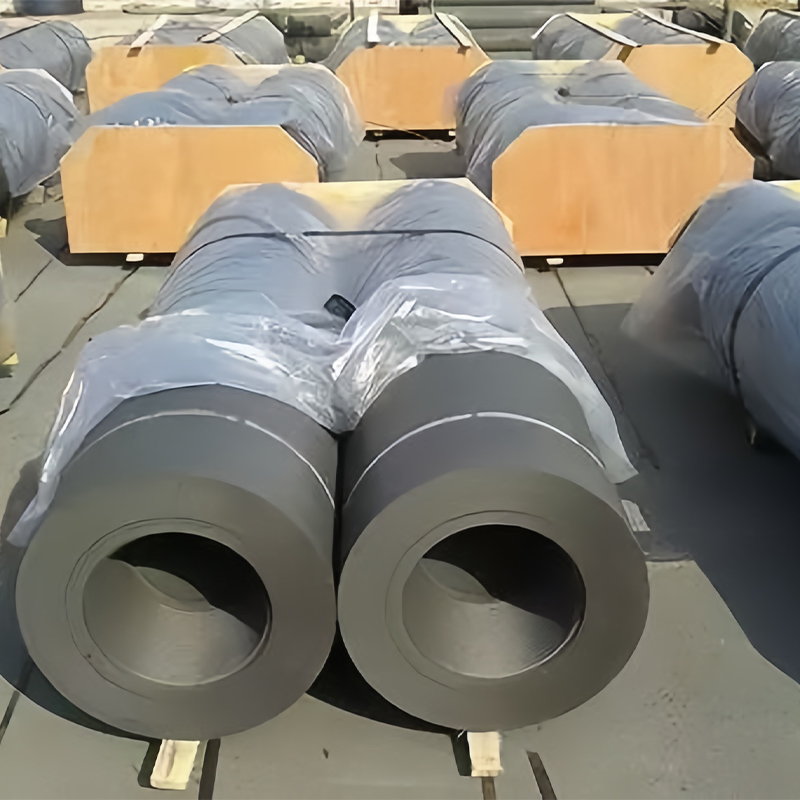
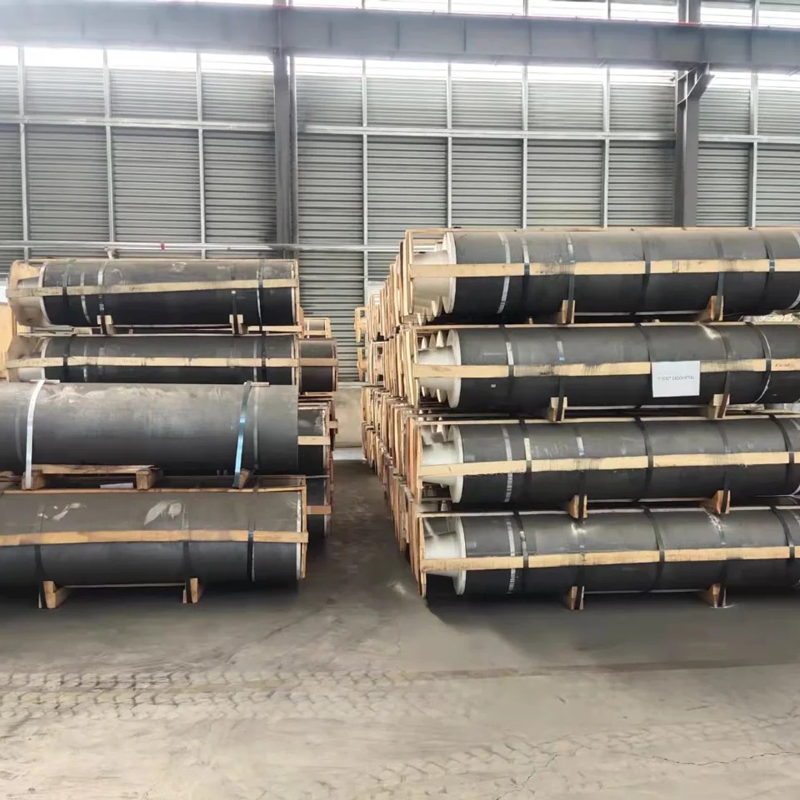
First, let’s clarify what we mean by UHP graphite. It’s not just standard graphite with a fancy name—it’s specifically engineered for high-performance applications, particularly in electric arc furnaces. Companies like Hebei Ruitong Carbon Co., Ltd. have fine-tuned the production processes since their founding in July 1985, leveraging decades of experience to refine these materials to fit client specifications.
The value of customizing UHP graphite really comes into play when considering the specific demands of industrial operations. Every furnace has its quirks, and off-the-shelf solutions often fail to address these unique characteristics. Tailoring graphite electrodes allows for better energy efficiency and potentially longer lifespan due to reduced thermal shock and mechanical stress.
In my experience, the process starts with a thorough assessment of operational requirements. It involves closely examining variables like arc stability needs, electrical conductivity, and thermal expansion coefficients. Without this careful calibration, you might find yourself dealing with premature electrode failure, which is not only costly but disruptive.

Why Customization Matters
Customizing UHP graphite is about more than just meeting design specs; it’s about optimizing performance. Take, for instance, a situation I encountered where a client was struggling with inconsistent heat distribution in their furnace. By adjusting the density and porosity of the graphite, we achieved a significant improvement in efficiency and product quality.
Of course, the customization process isn’t without its challenges. It requires exacting precision and a deep understanding of material science. Companies like Hebei Ruitong Carbon Co., Ltd. have the infrastructure and expertise to manage these complexities, having been leaders in the carbon production field for decades.
Another real-world consideration is cost. Customization can initially seem pricier than standard options, but the long-term savings from improved furnace operation and electrode longevity frequently justify the investment. In some cases, I’ve seen up to 20% operational savings in the first year alone.
Challenges and Considerations
Let’s talk about the challenges. Achieving the perfect balance in UHP graphite requires experience and a bit of trial and error. There’s an iterative process involved where feedback from initial implementations drives adjustments. This is where the expertise built by firms like Hebei Ruitong Carbon proves indispensable.
An often-overlooked aspect is the supply chain. Custom products may involve longer lead times, which can be a hurdle. Proper planning and reliable partners are crucial. For a company operating a 415,000 square meter facility, managing this aspect efficiently can lead to more seamless operations.
In previous projects, I’ve seen cases where close collaboration between the production team and engineers was vital. Real-time data and communication ensured that adjustments were made promptly, avoiding potential downtime and maintaining production targets.
Case Studies: Successes and Failures
Examining specific cases can reveal a lot about the practical benefits of customized UHP graphite. One memorable project involved a large-scale steel manufacturer. They initially resisted investing in custom solutions, fearing excessive complexity. However, after persistent challenges with electrode wear, they turned to a tailored approach.
By working directly with experts from Hebei Ruitong Carbon Co., Ltd., bespoke electrodes were developed that significantly enhanced electrical efficiency. The initial investment was recouped within months, and the experience reshaped their approach toward customization.
Conversely, I’ve also seen situations where poor initial customization created more issues, emphasizing the need for expertise and patience. In one example, an underestimation of thermal requirements led to material failure — reinforcing the lesson that precision and experience are indispensable.
The Future of UHP Graphite
Looking ahead, as industries evolve and demand more efficient processes, the role of customized UHP graphite will likely expand. Innovations in material science will drive more refined solutions, pushing boundaries in sectors like metallurgy and beyond.
For companies like Hebei Ruitong Carbon Co., Ltd., staying at the forefront involves continuous research and development. Their commitment to innovation and quality since 1985 positions them well to respond to future industry shifts.
Ultimately, the key takeaway is that while customization carries its challenges, the benefits of enhanced performance and efficiency far outweigh initial hesitations. For industries reliant on UHP graphite, personalized solutions are not just a trend—they’re a necessary evolution.