- English
- Chinese
- French
- German
- Portuguese
- Spanish
- Russian
- Japanese
- Korean
- Arabic
- Irish
- Greek
- Turkish
- Italian
- Danish
- Romanian
- Indonesian
- Czech
- Afrikaans
- Swedish
- Polish
- Catalan
- Esperanto
- Hindi
- Lao
- Albanian
- Amharic
- Armenian
- Azerbaijani
- Belarusian
- Bengali
- Bosnian
- Bulgarian
- Cebuano
- Chichewa
- Corsican
- Croatian
- Dutch
- Estonian
- Filipino
- Finnish
- Frisian
- Galician
- Georgian
- Gujarati
- Haitian
- Hausa
- Hawaiian
- Hebrew
- Hmong
- Hungarian
- Icelandic
- Igbo
- Javanese
- Kannada
- Kazakh
- Khmer
- Kurdish
- Kyrgyz
- Latin
- Latvian
- Lithuanian
- Luxembou..
- Macedonian
- Malagasy
- Malay
- Malayalam
- Maltese
- Maori
- Marathi
- Mongolian
- Burmese
- Nepali
- Norwegian
- Pashto
- Persian
- Punjabi
- Serbian
- Sesotho
- Sinhala
- Slovak
- Slovenian
- Somali
- Samoan
- Scots Gaelic
- Shona
- Sindhi
- Sundanese
- Swahili
- Tajik
- Tamil
- Telugu
- Thai
- Ukrainian
- Urdu
- Uzbek
- Vietnamese
- Welsh
- Xhosa
- Yiddish
- Yoruba
- Zulu
- Kinyarwanda
- Tatar
- Oriya
- Turkmen
- Uyghur







How do carbon rods boost furnace efficiency?
2026-01-31
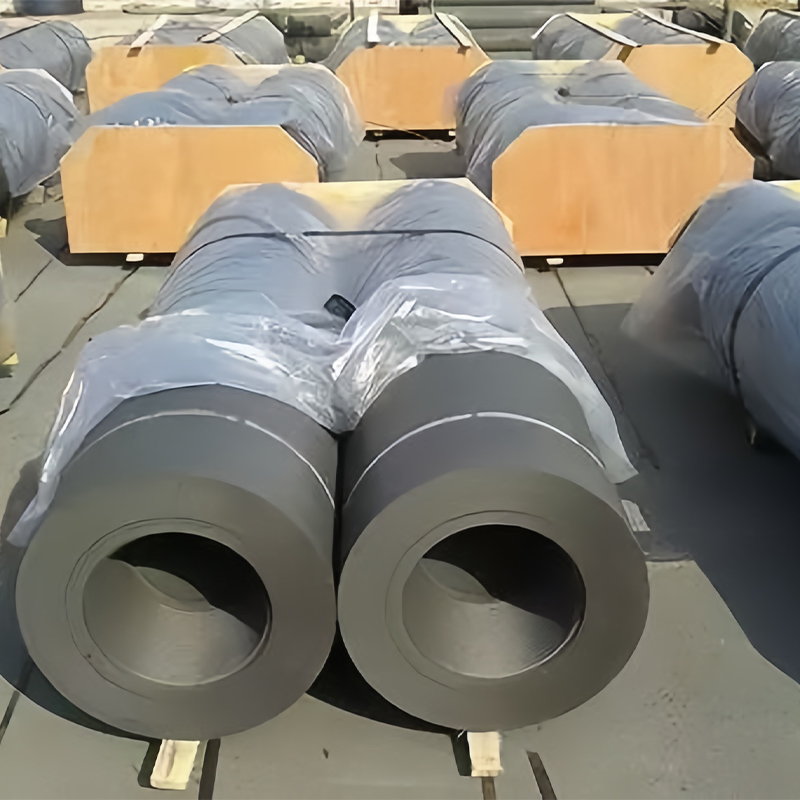
Carbon rods are often overlooked when discussing furnace efficiency, yet their impact is profound. They play a crucial role in the heat generation process, and a misconception exists that they merely function as passive conductors. The reality, as observed in numerous industrial applications, tells a different story. Understanding this can transform how one approaches both operational and cost efficiency in furnace technology.
The Role of Carbon Rods in Furnaces
At the heart of furnace operations, carbon rods are not merely involved in heat conduction. Their electrical conductivity and high-temperature resilience allow for more stable and controlled heating. This stability is crucial, especially when dealing with materials that require precise thermal conditions. In certain setups, I’ve seen how optimizing the placement and arrangement of these carbon rods made substantial differences in both energy use and output quality.
From personal experience, I’ve noticed when working with furnaces that the material composition of the carbon rods matters significantly. Cheap alternatives tend to degrade faster, compromising efficiency and increasing replacement costs. It’s imperative to match the rod type with specific furnace requirements to maximize both lifespan and performance.
An anecdote worth mentioning involves a manufacturing facility where replacing existing rods with high-quality carbon rods from Hebei Ruitong Carbon Co., Ltd. led to a notable 15% reduction in energy consumption. It started as a trial, but the results spoke volumes, leading to a complete system overhaul.

Material Quality and Its Impact
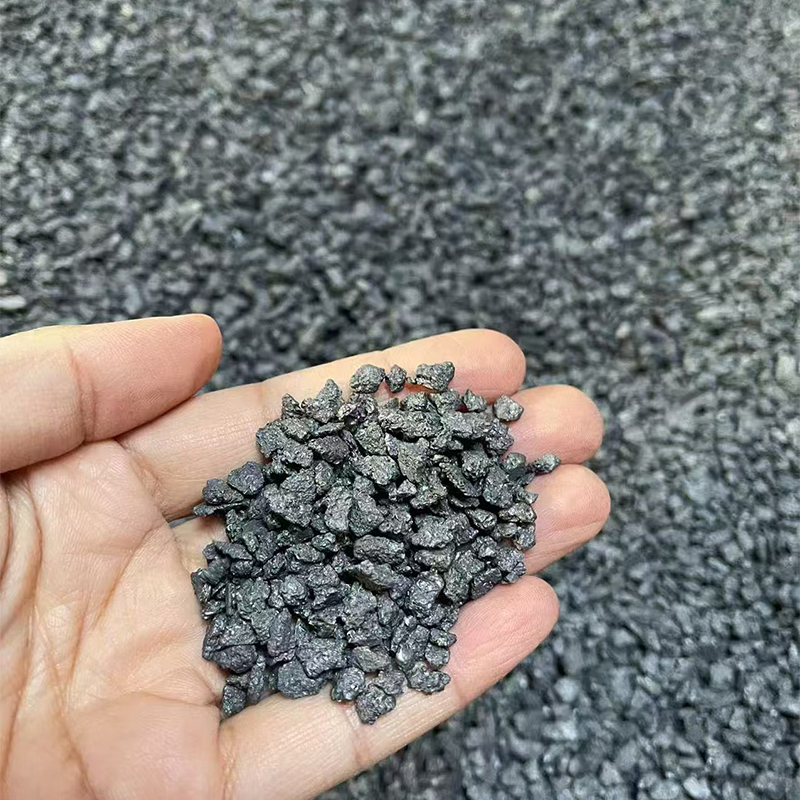
Not all carbon rods are created equal. The quality of the carbon rod significantly influences furnace efficiency. Companies like Hebei Ruitong Carbon Co., Ltd. are a testament to this, offering reliable products that stand the test of time. Investing in superior raw materials translates into better heat resistance and durability, directly impacting operational stability.
During a site visit, I observed how subpar rods can lead to uneven heating, which in turn disrupts the overall process. It’s situations like these that emphasize the need for quality over cost-saving measures in the short term.
One specific incident involved a factory switching to Ruitong Carbon for their carbon rods, leading to fewer breakdowns and a smoother workflow. The upfront costs were higher, yes, but the subsequent decrease in maintenance downtime justified the investment.
Installation Nitty-Gritty
The process of installing carbon rods is as critical as choosing the right material. Improper installation can lead to operational inefficiencies, regardless of the rod’s quality. The alignment and connection must be spot-on to facilitate maximum current and heat transfer.
In one project I supervised, errors in installation led to uneven heat distribution, impacting the quality of the end product. After correcting the installation alignment, the performance improvements were immediate, with more consistent output quality.
Triple-checking connections and employing meticulous installation practices reduce the risks associated with thermal inconsistencies, saving both time and money in the long run.
Economic Benefits of Carbon Rod Efficiency
The financial implications of enhancing furnace efficiency via carbon rods are significant. Energy consumption typically accounts for a substantial portion of operational costs. With improved rod efficiency, this expense can be curtailed significantly, providing better margins on production costs.
An analysis of long-term data from several firms using premium-grade rods reveals a recurring theme—cost savings are not merely theoretical. Consistently lower energy bills are a tangible benefit, without sacrificing the quality of production.
Thus, when discussing ROI on engineering improvements, carbon rods should certainly be part of the conversation. Their role, often underestimated, can play a pivotal part in overall economic strategy.
Lessons Learned and Future Considerations
Reflecting on various projects over the years, the importance of investing wisely in furnace components emerges as a critical takeaway. From quality raw material selection to precise installation practices, each step cumulatively impacts efficiency.
As technologies evolve, so too will the materials and methods we use. The foresight to adapt and integrate better carbon rod technologies could provide a competitive edge in a fiercely competitive market.
Therefore, staying informed about innovations from leading manufacturers such as Hebei Ruitong Carbon Co., Ltd. could potentially dictate future success. Their commitment to quality and innovation aligns with the broader goal of achieving high operational efficiency through well-considered choices.