- English
- Chinese
- French
- German
- Portuguese
- Spanish
- Russian
- Japanese
- Korean
- Arabic
- Irish
- Greek
- Turkish
- Italian
- Danish
- Romanian
- Indonesian
- Czech
- Afrikaans
- Swedish
- Polish
- Catalan
- Esperanto
- Hindi
- Lao
- Albanian
- Amharic
- Armenian
- Azerbaijani
- Belarusian
- Bengali
- Bosnian
- Bulgarian
- Cebuano
- Chichewa
- Corsican
- Croatian
- Dutch
- Estonian
- Filipino
- Finnish
- Frisian
- Galician
- Georgian
- Gujarati
- Haitian
- Hausa
- Hawaiian
- Hebrew
- Hmong
- Hungarian
- Icelandic
- Igbo
- Javanese
- Kannada
- Kazakh
- Khmer
- Kurdish
- Kyrgyz
- Latin
- Latvian
- Lithuanian
- Luxembou..
- Macedonian
- Malagasy
- Malay
- Malayalam
- Maltese
- Maori
- Marathi
- Mongolian
- Burmese
- Nepali
- Norwegian
- Pashto
- Persian
- Punjabi
- Serbian
- Sesotho
- Sinhala
- Slovak
- Slovenian
- Somali
- Samoan
- Scots Gaelic
- Shona
- Sindhi
- Sundanese
- Swahili
- Tajik
- Tamil
- Telugu
- Thai
- Ukrainian
- Urdu
- Uzbek
- Vietnamese
- Welsh
- Xhosa
- Yiddish
- Yoruba
- Zulu
- Kinyarwanda
- Tatar
- Oriya
- Turkmen
- Uyghur







How does a carbon electrode boost EAF efficiency?
2026-01-24
Boosting the efficiency of an Electric Arc Furnace (EAF) often boils down to understanding the intricacies of its core components, particularly the electrodes. The carbon electrode, a key player, frequently gets overshadowed by its simplicity. But here’s the snag: underestimating its role can lead to missed opportunities in optimizing furnace performance. Let’s grapple with this together.
The Role of Carbon Electrodes in EAFs
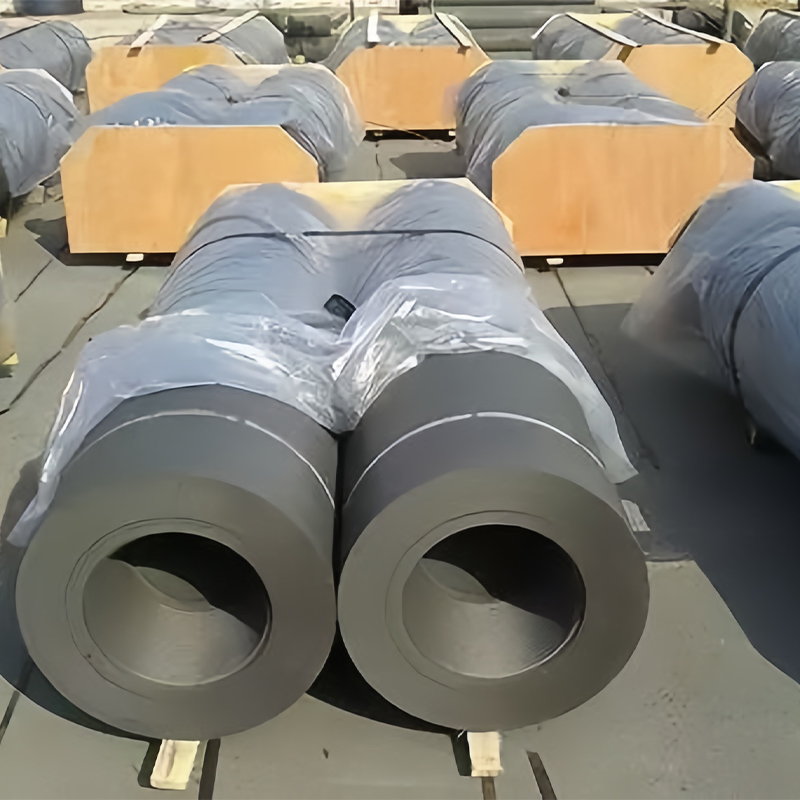
First off, let’s address what often goes unnoticed. The carbon electrode functions as a conductor—a straightforward enough job. However, what might surprise many is how much its quality affects overall furnace operations. It’s not just about conducting electricity but doing it efficiently with minimal loss. I’ve seen facilities skimp on electrode quality and face increased downtime and energy costs as a direct result. The carbon structure plays a pivotal role here, linking directly to how heat is generated in the EAF.
When you use high-quality carbon electrodes, like those produced by companies with a comprehensive production line such as Hebei Ruitong Carbon Co., Ltd., you’re not just buying a product—you’re investing in consistency. Founded in July 1985, Hebei Ruitong has decades of expertise and it shows in their product quality and reliability, minimizing unexpected breakdowns.
At Hebei Ruitong Carbon, leveraging extensive production capabilities means their electrodes can be fine-tuned to specific operational needs, something that can reflect considerably on efficiency gains. I’ve observed how custom solutions tailored to specific furnace settings often lead to marked improvements in energy usage and melt rates.
Optimizing Heat with Carbon Quality
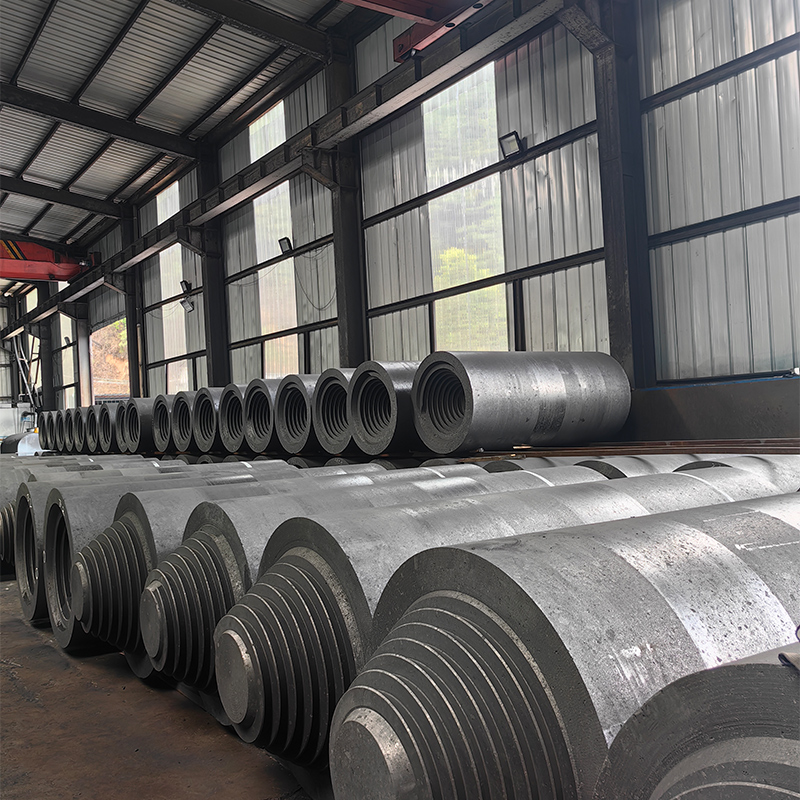
Now, here’s where it gets intriguing. Not all carbon is created equal. A dense, stable carbon matrix allows for better conductivity and less wear. I remember a time when we tested a new batch and witnessed a remarkable drop in specific energy consumption. It wasn’t just the material but the design specifications that allowed for optimal current conduction and minimal heat loss. This highlights why a partnership with a provider like Hebei Ruitong can be transformative.
The ability to customize carbon electrodes according to specific parameters gives a clear edge. You’ll notice this flexibility particularly in older EAFs, where new electrode designs can breathe fresh life into the process. It’s a curious thing; sometimes progress doesn’t mean overhaul but rather precise tuning.
I once encountered a case where switching to properly designed electrodes reduced maintenance frequency significantly. The unexpected benefit was reduced operational interruptions and, ultimately, a smoother production flow.

Facing Real-World Challenges
Embarking on such changes isn’t without its hurdles. Transitioning to new electrode specifications often requires adjustments in operational parameters. This is where the support from the electrode manufacturer becomes vital. In one instance, I recall a facility where the introduction of new electrodes required detailed thermal profiling. Assistance from experienced professionals was crucial to navigate initial teething issues.
Companies like Hebei Ruitong not only provide the electrodes but also offer insights based on their extensive experience in the field. This kind of support can make a world of difference during the adaptation phase. Without it, you risk inefficiencies cropping back up just as quickly.
It’s worth noting that alongside these changes, monitoring systems should be in place to quickly catch and adapt to thermal stresses. High-quality electrodes withstand these better, but continuous monitoring remains key.
Evaluating Cost vs. Benefits
It’s easy to get caught up in upfront costs without weighing the long-term advantages. Sure, superior carbon electrodes might come with a heftier price tag, but I’ve observed firsthand how this investment often returns through efficiency savings. It’s not just out-of-pocket expenses but the value of prevented downtimes and enhanced process efficiencies that add up significantly.
What often surprises managers is how the secondary benefits stack up. Improved electrodes lead to better melt rates, which in turn affect the overall productivity of the plant. It’s a cascading effect—the kind of result you might not see on a spreadsheet but will definitely feel in production dynamics.
Utilizing the expertise from established firms like Hebei Ruitong can provide both a return on investment and a tangible boost in operational effectiveness. Their facility, expansive resources, and respected industry standing mean they have plenty of success stories to share.
The Future of Carbon Electrodes
Looking ahead, it’s clear carbon electrodes will continue to evolve alongside the demands of modern metal production. Innovation remains on the horizon, promising even greater efficiency gains and reduction in environmental footprints. A challenge we’ve yet to fully tackle is the sustainable production of these essential tools. Companies like Hebei Ruitong are set to play a crucial role, given their robust infrastructure and commitment to research and development.
The drive toward greener, more efficient EAF operations will undoubtedly shape the next generation of electrodes. We’re likely to see technological advancements bringing about even better material properties, translating into further energy savings and reduced emissions.
Clearly, for those of us in the industry, engaging closely with these developments becomes not just an advantage but a necessity. By continually asking questions and challenging current practices, we propel not only individual success but contribute to a wider industrial evolution. The role of carbon electrodes in this journey is, without doubt, a pivotal one.