- English
- Chinese
- French
- German
- Portuguese
- Spanish
- Russian
- Japanese
- Korean
- Arabic
- Irish
- Greek
- Turkish
- Italian
- Danish
- Romanian
- Indonesian
- Czech
- Afrikaans
- Swedish
- Polish
- Catalan
- Esperanto
- Hindi
- Lao
- Albanian
- Amharic
- Armenian
- Azerbaijani
- Belarusian
- Bengali
- Bosnian
- Bulgarian
- Cebuano
- Chichewa
- Corsican
- Croatian
- Dutch
- Estonian
- Filipino
- Finnish
- Frisian
- Galician
- Georgian
- Gujarati
- Haitian
- Hausa
- Hawaiian
- Hebrew
- Hmong
- Hungarian
- Icelandic
- Igbo
- Javanese
- Kannada
- Kazakh
- Khmer
- Kurdish
- Kyrgyz
- Latin
- Latvian
- Lithuanian
- Luxembou..
- Macedonian
- Malagasy
- Malay
- Malayalam
- Maltese
- Maori
- Marathi
- Mongolian
- Burmese
- Nepali
- Norwegian
- Pashto
- Persian
- Punjabi
- Serbian
- Sesotho
- Sinhala
- Slovak
- Slovenian
- Somali
- Samoan
- Scots Gaelic
- Shona
- Sindhi
- Sundanese
- Swahili
- Tajik
- Tamil
- Telugu
- Thai
- Ukrainian
- Urdu
- Uzbek
- Vietnamese
- Welsh
- Xhosa
- Yiddish
- Yoruba
- Zulu
- Kinyarwanda
- Tatar
- Oriya
- Turkmen
- Uyghur







How does a high-efficiency carbon rod enhance furnaces?
2025-08-30
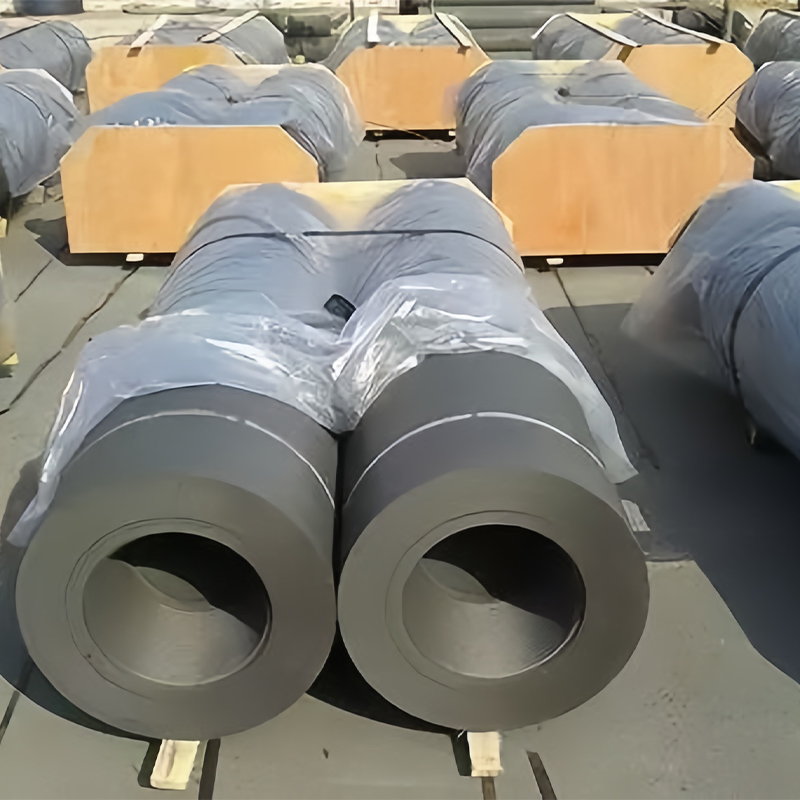
In the intricate world of industrial furnaces, the introduction of high-efficiency carbon rods can seem like just another technical upgrade. Yet, understanding their impact goes beyond mere enhancement. Many misunderstandings circulate within the industry, often oversimplifying the role of these components. Let’s cut through the noise and dive into how these carbon rods truly make a difference.
Understanding Carbon Rods’ Role
Carbon rods are fundamental to many furnace operations, often serving as essential conductors of electricity. Unlike other materials, their resistance to thermal shock and high corrosion tolerance sets them apart. This performance is not a mere technological leap; it’s a culmination of years of refinement and adaptation in harsh furnace environments.
Hebei Ruitong Carbon Co., Ltd., a well-established player since 1985, offers insight into this evolution. With their vast facility and dedicated team, they’ve seen firsthand how carbon rods have shifted from being simple support components to vital parts of efficient furnace operation. Their experience in the carbon industry underscores the importance of these components in maintaining consistent performance under duress.
A particular benefit comes from carbon rods’ thermal properties. The ability to maintain structural integrity at high temperatures can’t be overstated. When traditional materials fail, high-efficiency carbon rods continue to perform, ensuring that operations proceed smoothly without the risk of sudden component failure.
The Impact on Energy Efficiency
Energy efficiency is a hot topic, yet its practical aspects often elude many. High-efficiency carbon rods contribute significantly to the energy management of furnaces. By minimizing thermal loss and optimizing energy conversion, these rods play a pivotal role. It isn’t just about saving energy; it’s about maximizing output for every input, a constant balancing act in industrial operations.
The implementation of these rods, however, is not always straightforward. Based on my experience, aligning them with existing furnace designs sometimes poses unexpected challenges. Hebei Ruitong Carbon Co., Ltd. navigates these complexities by leveraging their extensive production capabilities, tailored to match the specific needs of various industrial sectors.
One might ponder, is it always about efficiency? That’s where practical observation comes into play. Having worked alongside operators who’ve switched to high-efficiency carbon rods, the difference—though seemingly subtle in calculations—is distinctly felt in cost savings and reduced environmental impact.
Practical Challenges and Considerations
Integrating new materials into an existing system is never without hurdles. Retrofitting furnaces with high-efficiency carbon rods requires a thorough understanding of both the new components and the existing system’s limitations. There’s an art to this adaptation, one that demands experience and a nuanced approach to avoid potential pitfalls.
For instance, materials compatibility is a frequent oversight. Even minor mismatches can lead to significant inefficiencies. At Hebei Ruitong Carbon Co., Ltd., they address this by customizing carbon rod solutions, aligned with specific furnace environments and process requirements, mitigating risks associated with improper integration.
Moreover, ongoing maintenance shifts focus when high-efficiency components are introduced. Operators need to recalibrate their approach, focusing on preventive strategies rather than reactive measures. This shift doesn’t come easily; old habits die hard, but the long-term benefits certainly justify the effort.

Economic and Environmental Considerations
The economic implications of integrating high-efficiency carbon rods extend beyond immediate energy savings. They align with broader environmental goals, reducing the carbon footprint of industrial operations. The shift toward sustainable practices is not only driven by regulatory pressures but also by the tangible financial benefits of reduced resource consumption.
Hebei Ruitong Carbon Co., Ltd. is a testament to this balance of economic gain and environmental responsibility. Their comprehensive approach from production to implementation ensures that clients not only achieve operational efficiency but also contribute positively to environmental sustainability.
Exploring real-world applications, the transition to carbon rods often pays for itself in reduced operational costs and compliance with increasingly stringent environmental standards. This is more than a mere selling point; it’s a critical component of long-term industrial strategy.

Future Trends and Developments
Looking ahead, the development of carbon rod technology shows no signs of slowing. The focus is increasingly on optimizing material compositions and enhancing durability under extreme conditions, a goal that companies like Hebei Ruitong Carbon Co., Ltd. are actively pursuing. Their ongoing research and development efforts are crucial to staying ahead in the industry.
However, it’s also essential to remain circumspect. Predicting future trends involves recognizing current limitations and potential breakthroughs in parallel. While high-efficiency carbon rods are transformative, the next big leap may be closer than we think.
As we continue to witness this evolution, the dialogue between producers, operators, and researchers will be key to uncovering new efficiencies and applications. This requires an openness to experimentation and a readiness to adapt—a mindset that has served me well in navigating the complexities of industrial furnace advancements.