- English
- Chinese
- French
- German
- Portuguese
- Spanish
- Russian
- Japanese
- Korean
- Arabic
- Irish
- Greek
- Turkish
- Italian
- Danish
- Romanian
- Indonesian
- Czech
- Afrikaans
- Swedish
- Polish
- Catalan
- Esperanto
- Hindi
- Lao
- Albanian
- Amharic
- Armenian
- Azerbaijani
- Belarusian
- Bengali
- Bosnian
- Bulgarian
- Cebuano
- Chichewa
- Corsican
- Croatian
- Dutch
- Estonian
- Filipino
- Finnish
- Frisian
- Galician
- Georgian
- Gujarati
- Haitian
- Hausa
- Hawaiian
- Hebrew
- Hmong
- Hungarian
- Icelandic
- Igbo
- Javanese
- Kannada
- Kazakh
- Khmer
- Kurdish
- Kyrgyz
- Latin
- Latvian
- Lithuanian
- Luxembou..
- Macedonian
- Malagasy
- Malay
- Malayalam
- Maltese
- Maori
- Marathi
- Mongolian
- Burmese
- Nepali
- Norwegian
- Pashto
- Persian
- Punjabi
- Serbian
- Sesotho
- Sinhala
- Slovak
- Slovenian
- Somali
- Samoan
- Scots Gaelic
- Shona
- Sindhi
- Sundanese
- Swahili
- Tajik
- Tamil
- Telugu
- Thai
- Ukrainian
- Urdu
- Uzbek
- Vietnamese
- Welsh
- Xhosa
- Yiddish
- Yoruba
- Zulu
- Kinyarwanda
- Tatar
- Oriya
- Turkmen
- Uyghur







How does low resistivity carbon optimize furnaces?
2026-01-17
A lot of people assume that all carbon is created equal when it comes to its use in industrial furnaces. This couldn’t be further from the truth. The unique properties of low resistivity carbon play a crucial role in enhancing furnace performance. Often overlooked, these carbon materials are vital in ensuring that furnaces operate efficiently and sustainably. But how exactly does this work? Let’s delve into the mechanics behind it.

The Role of Low Resistivity in Furnace Efficiency
In any furnace operation, the key goal is maximizing heat generation while minimizing energy consumption. Low resistivity carbon significantly contributes by providing high electrical conductivity. When electricity flows through the carbon components, less energy is lost as heat due to electrical resistance. This results in optimized energy consumption, which is crucial for both cost and environmental considerations.
I remember visiting Hebei Ruitong Carbon Co., Ltd., where they emphasized the importance of their specialized carbon products in energy efficiency. Their facility, spread over 415,000 square meters, is equipped to produce these low resistivity materials, supporting various industrial applications globally.
The practical benefits observed included not only reduced operational costs but also prolonged lifespan of the furnace components. Reduced energy usage means less wear and tear on the furnace parts. At Hebei, they showed data comparisons over years, clearly indicating longer intervals between maintenance, saving significant downtime costs.
Conductivity and Temperature Control
Temperature control within furnaces is another critical factor influenced by low resistivity carbon. Accurate temperature regulation ensures consistent product quality, especially in sensitive industries like metallurgy. Low resistivity carbon’s high conductivity allows for rapid heat adjustments, maintaining the necessary furnace conditions.
During a demonstration, there was a stark contrast between furnaces using standard carbon versus low resistivity variants in achieving target temperatures swiftly. This efficiency is attributed to the carbon’s ability to handle rapid electronic movements, minimizing production delays.
One interesting challenge, however, is ensuring the quality of the carbon used. Impurities can dramatically affect performance. Hebei Ruitong Carbon Co., Ltd. invests significantly in raw material quality control, ensuring their products meet the stringent standards required by their clients.

Material Durability and Lifecycle
Now, let’s talk about the material’s durability. Reducing resistivity doesn’t automatically mean compromising on durability, which is a common misconception. High-quality low resistivity carbon products, like those from Ruitong, demonstrate exceptional resilience under high temperatures.
Instances of furnace damage due to material failure decrease considerably with these products. In one study, comparing furnaces installed with different carbon types, low resistivity variants showed fewer incidents of carbon degradation when exposed to continuous high temperatures.
Moreover, the extended lifecycle directly translates into cost savings and operational reliability—a critical factor for industries with high uptime requirements such as steel manufacturing.
Applications Beyond Furnaces
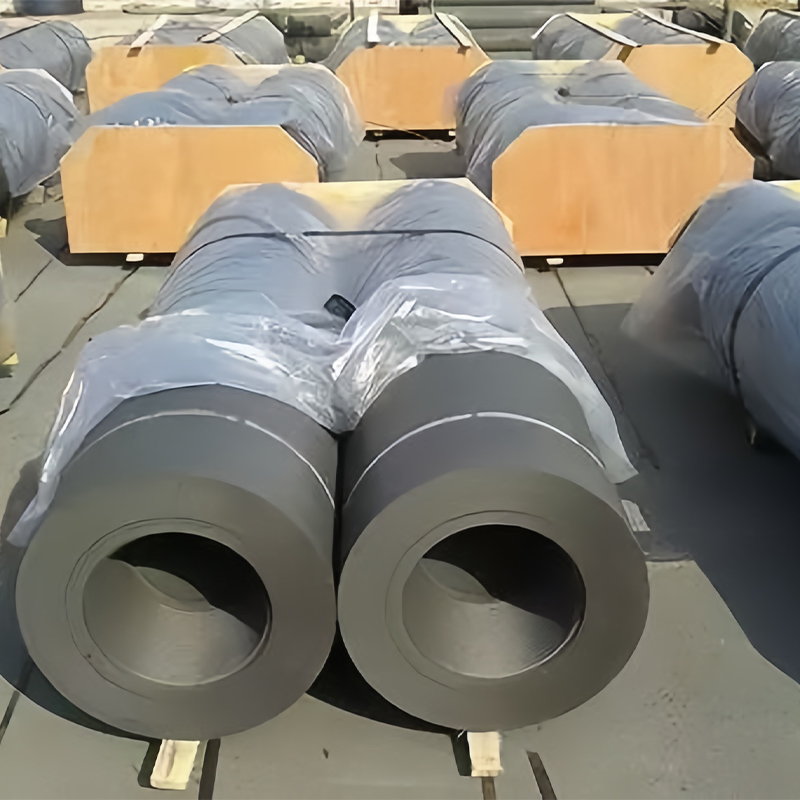
While our focus today is on furnaces, it’s worth mentioning that low resistivity carbon finds applications far beyond. Its properties make it valuable in other high-temperature applications like electrodes in electric arc furnaces (EAFs), essential in the recycling of steel.
The versatility of low resistivity carbon allows it to be tailored for specific industrial processes, paving the way for innovation in carbon applications. I recall discussing future projects with Hebei’s R&D team, who are venturing into new industrial segments leveraging these capabilities.
This adaptability is a strong point for companies looking to diversify their industrial processes while maintaining efficiency and product quality, a key selling point at Hebei’s international export meetings.
Importance of Custom Solutions
No industrial process is one-size-fits-all, and this holds true for carbon applications. Hebei Ruitong emphasizes custom solutions, where the carbon’s resistivity and other properties are tailored to specific client requirements. They often work directly with engineers to develop bespoke solutions optimized for particular furnace designs.
In practice, these custom-tailored products lead to optimized furnace operations. At times, however, this requires close collaboration and extensive testing. While this can be resource-intensive, the returns on investment are clearly visible in enhanced performance metrics.
My takeaway from collaborating with such manufacturers is the vital importance of communication between carbon producers and end-users. Both sides need to understand the demands and capabilities to achieve the best possible outcomes in furnace efficiency and sustainability.