- English
- Chinese
- French
- German
- Portuguese
- Spanish
- Russian
- Japanese
- Korean
- Arabic
- Irish
- Greek
- Turkish
- Italian
- Danish
- Romanian
- Indonesian
- Czech
- Afrikaans
- Swedish
- Polish
- Catalan
- Esperanto
- Hindi
- Lao
- Albanian
- Amharic
- Armenian
- Azerbaijani
- Belarusian
- Bengali
- Bosnian
- Bulgarian
- Cebuano
- Chichewa
- Corsican
- Croatian
- Dutch
- Estonian
- Filipino
- Finnish
- Frisian
- Galician
- Georgian
- Gujarati
- Haitian
- Hausa
- Hawaiian
- Hebrew
- Hmong
- Hungarian
- Icelandic
- Igbo
- Javanese
- Kannada
- Kazakh
- Khmer
- Kurdish
- Kyrgyz
- Latin
- Latvian
- Lithuanian
- Luxembou..
- Macedonian
- Malagasy
- Malay
- Malayalam
- Maltese
- Maori
- Marathi
- Mongolian
- Burmese
- Nepali
- Norwegian
- Pashto
- Persian
- Punjabi
- Serbian
- Sesotho
- Sinhala
- Slovak
- Slovenian
- Somali
- Samoan
- Scots Gaelic
- Shona
- Sindhi
- Sundanese
- Swahili
- Tajik
- Tamil
- Telugu
- Thai
- Ukrainian
- Urdu
- Uzbek
- Vietnamese
- Welsh
- Xhosa
- Yiddish
- Yoruba
- Zulu
- Kinyarwanda
- Tatar
- Oriya
- Turkmen
- Uyghur







How to choose a steelmaking carbon block supplier?
2025-12-20
Choosing the right steelmaking carbon block supplier can significantly impact your production quality and cost-effectiveness. Many newcomers in the field might think it’s as simple as comparing prices, but it’s far more intricate. Here’s a practical guide from someone who’s been through the grind of selecting the right partner for your carbon block needs.
Understanding Your Requirements
The first thing you want to do is really understand what your specific requirements are. Don’t just jump to the first supplier that offers a seemingly good deal. You need to consider factors like the grade of carbon blocks you need, their thermal conductivity, and the compatibility with your existing setups. I recall a situation where a lack of understanding in specifications led to premature block failure, which was a costly lesson.
It’s not just about the technical specifications, though. You also need to think about the volume and frequency of your orders. Are you looking for a large one-time shipment or smaller recurring deliveries? These considerations will heavily influence which supplier is best suited for you.
Consider reaching out to experts in the field or colleagues who have dealt with similar needs. Their insights can often guide you away from potential pitfalls that a brochure or website might not reveal.
Researching Potential Suppliers
Once you have a clear idea of what you need, it’s time to research potential suppliers. This is where the internet becomes your best friend. Websites like Hebei Ruitong Carbon Co., Ltd. offer detailed information about their products and capabilities. They’ve been in the industry since 1985, so their long-standing reputation is a good start.
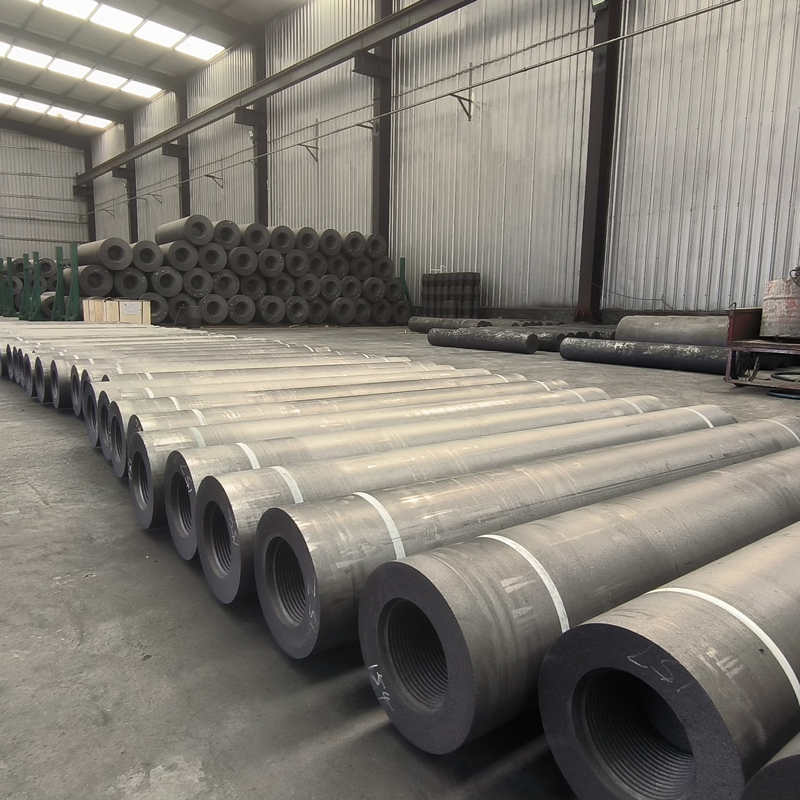
Visit the potential suppliers’ websites and look for their production capacity, certifications, and quality control methods. For instance, Hebei Ruitong Carbon Co., Ltd. has a facility spread over 415,000 square meters and employs 278 people, signaling a substantial operational capability.
However, don’t stop at their online presence. Ask for references or case studies. A supplier’s willingness to share this information can often be a good indicator of their transparency and reliability.

Quality Assurance Measures
Quality assurance is one of the most critical aspects when choosing a carbon supplier. This can’t be emphasized enough. A supplier’s commitment to quality standards speaks volumes about their operation. Look for ISO certifications or any other industry-recognized quality marks.
I remember visiting a facility once where their QA processes were not just written on paper but actively implemented at each production stage. This kind of diligence provides peace of mind and often speaks to the product’s reliability.
Engage with suppliers to understand how they maintain quality. Do they have automatic inspection systems? What’s their defect rate, and what actions are taken when defects are identified? Your diligence here can save you from a lot of potential headaches down the line.
Communication and Support
Communication is paramount. If you can’t communicate effectively with your supplier, even the best product won’t meet your needs. You should be looking for suppliers who are responsive and willing to engage in transparent communication.
I once dealt with a supplier who had fantastic products but poor communication. It resulted in delays and misunderstandings that could have been easily avoided. Don’t let promises on paper replace the importance of clear communication.
Also, consider the level of support they are willing to give post-purchase. Whether it’s technical guidance or logistics support, a supplier who’s invested in your success is often worthy of a long-term partnership.
Financial Terms and Logistics
The financial terms of the deal are obviously a significant factor but should not outweigh the importance of quality and reliability. Cheap isn’t always best; often, you get what you pay for. Focus on finding that sweet spot where cost meets quality.
Negotiate terms that are flexible and conducive to your timelines and volume requirements. Some suppliers, like Hebei Ruitong Carbon Co., Ltd., might offer competitive terms, given their robust capital backing of 31.16 million yuan, but these negotiations require careful scrutiny of contract terms.
Finally, look into logistics. Even the best supplier isn’t much use if they can’t get the product to you when needed. Reliability in delivery should be part of your evaluation criteria. Sometimes smaller suppliers can be more flexible and responsive on this front, so weigh your options carefully.